Great event entertainment is not only about what guests see. It is about when they experience it. The same magic can feel effortless in the right window or disruptive in the wrong one, especially when dinner service, speeches, awards, photos and mingling all need room to breathe.
For Ottawa, Toronto, the GTA and Ontario hosts, the safest starting point is to build the entertainment around guest behaviour. If people are moving, meeting or waiting, close-up magic keeps the room warm. If everyone is already seated and focused, a stand-up magic show can give the whole event one clear highlight.
Arrival: make early guests feel welcomed
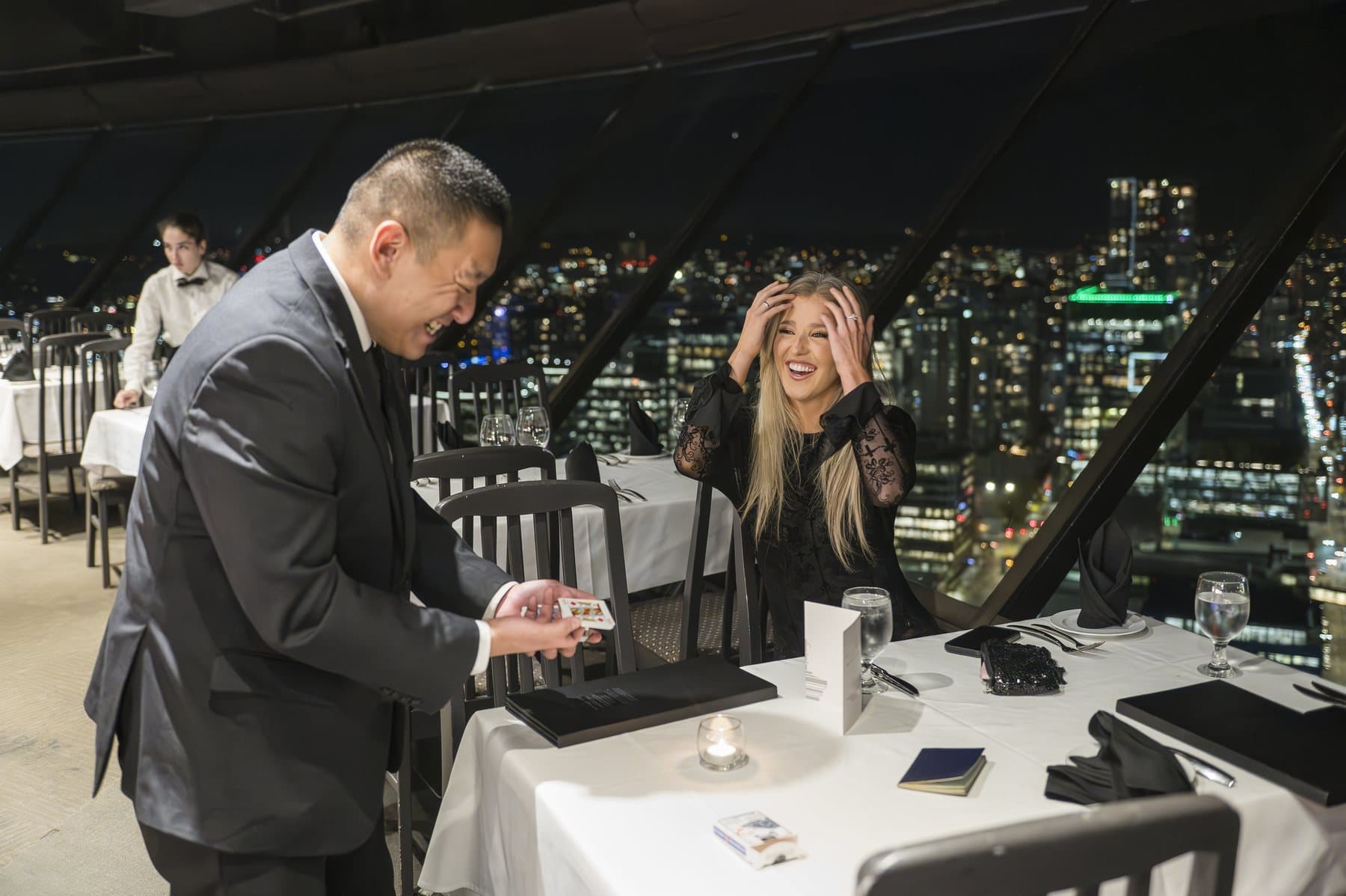
The first 20 to 45 minutes can decide how the room feels. Guests may arrive in waves, look for familiar faces, wait for registration or stand near the bar while the event fills. Close-up magic works well here because it gives early arrivals something personal to enjoy without requiring an announcement.
This is especially useful for corporate receptions, weddings, sponsor events, association dinners and private celebrations where not everyone knows each other. Short moments of magic create natural laughter and make the room feel hosted before the formal schedule begins.
Cocktail hour: help guests connect without forcing networking
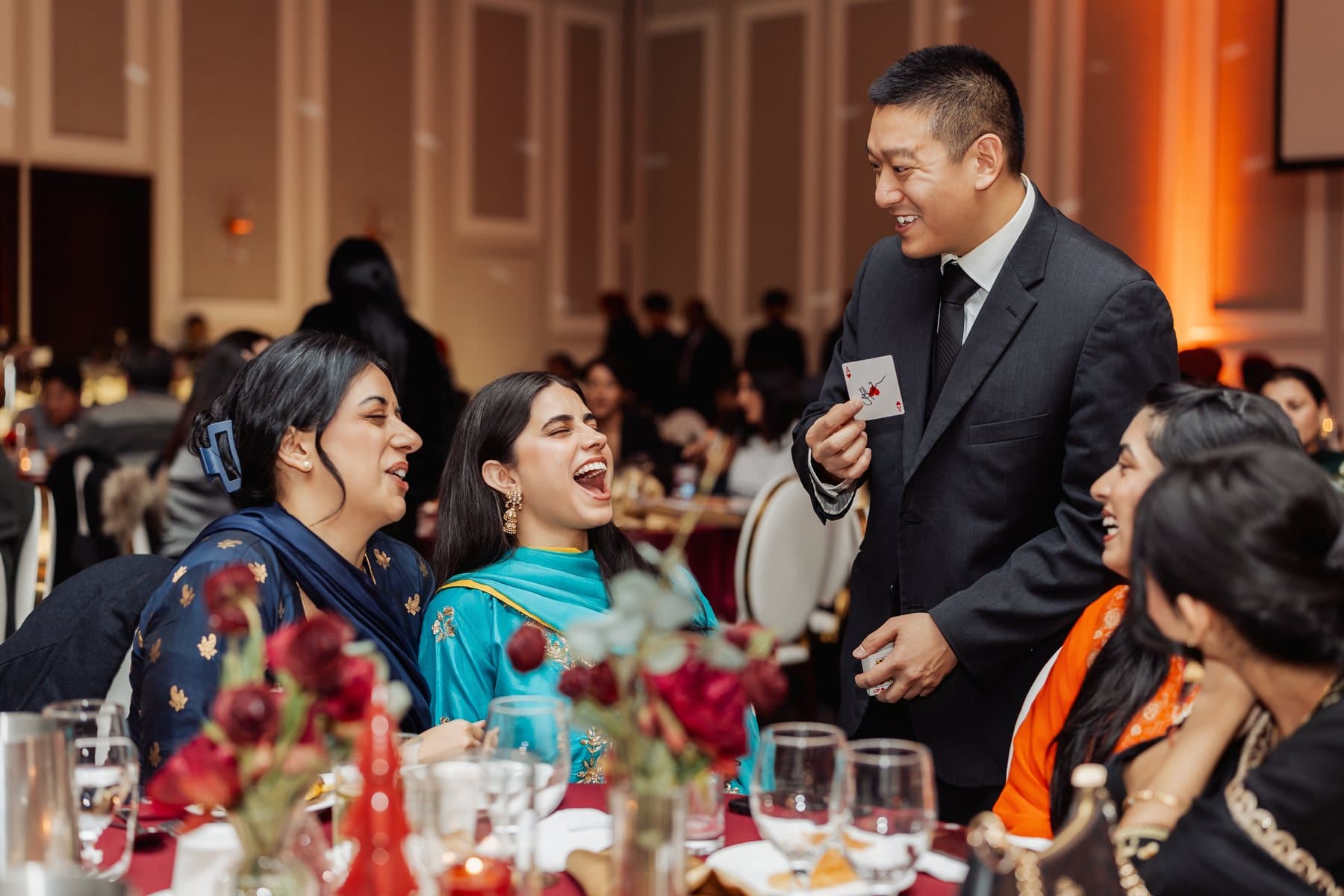
Cocktail hour is usually one of the strongest places for roaming close-up magic. Guests are standing, holding drinks, meeting people and deciding where to spend their attention. John can move between small groups so the entertainment comes to the guests instead of pulling them away from conversation.
For Ontario planners, this can solve a common problem: the room looks full, but guests stay in small familiar clusters. Magic gives people an easy reason to gather, react and talk with someone new without turning the reception into a structured icebreaker.
Dinner transitions: keep the evening warm between courses
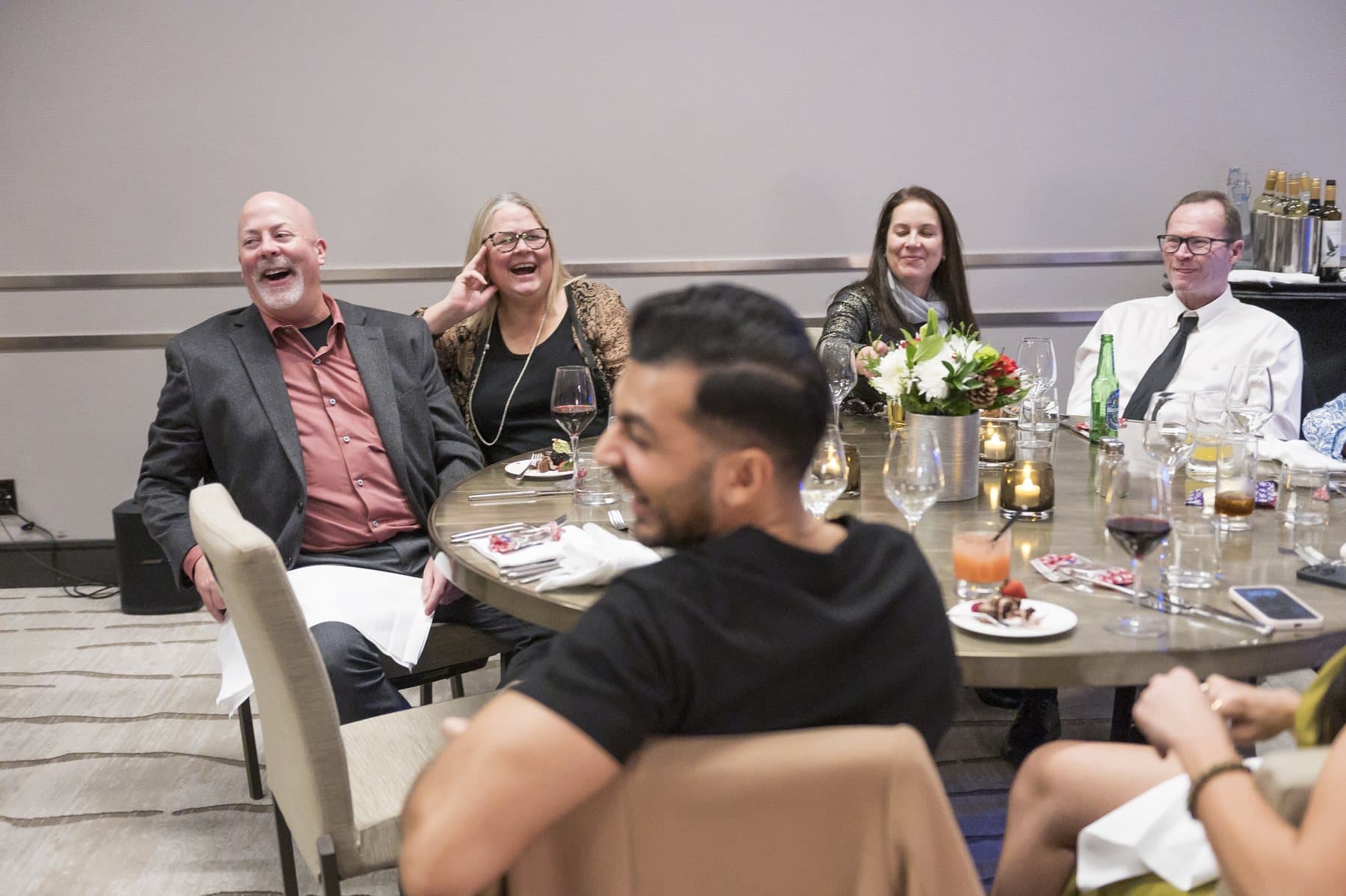
Dinner has quiet points: late tables waiting for food, course changes, dessert delays, room resets and pauses before speeches. Close-up table magic can make those gaps feel intentional. It works best when it is coordinated around service so guests are entertained without interrupting meals or staff.
This timing fits banquets, restaurant events, leadership dinners, client appreciation nights and wedding receptions. The goal is not to fill every minute. It is to keep the energy alive during the minutes that would otherwise feel slow.
After speeches or awards: create one shared highlight
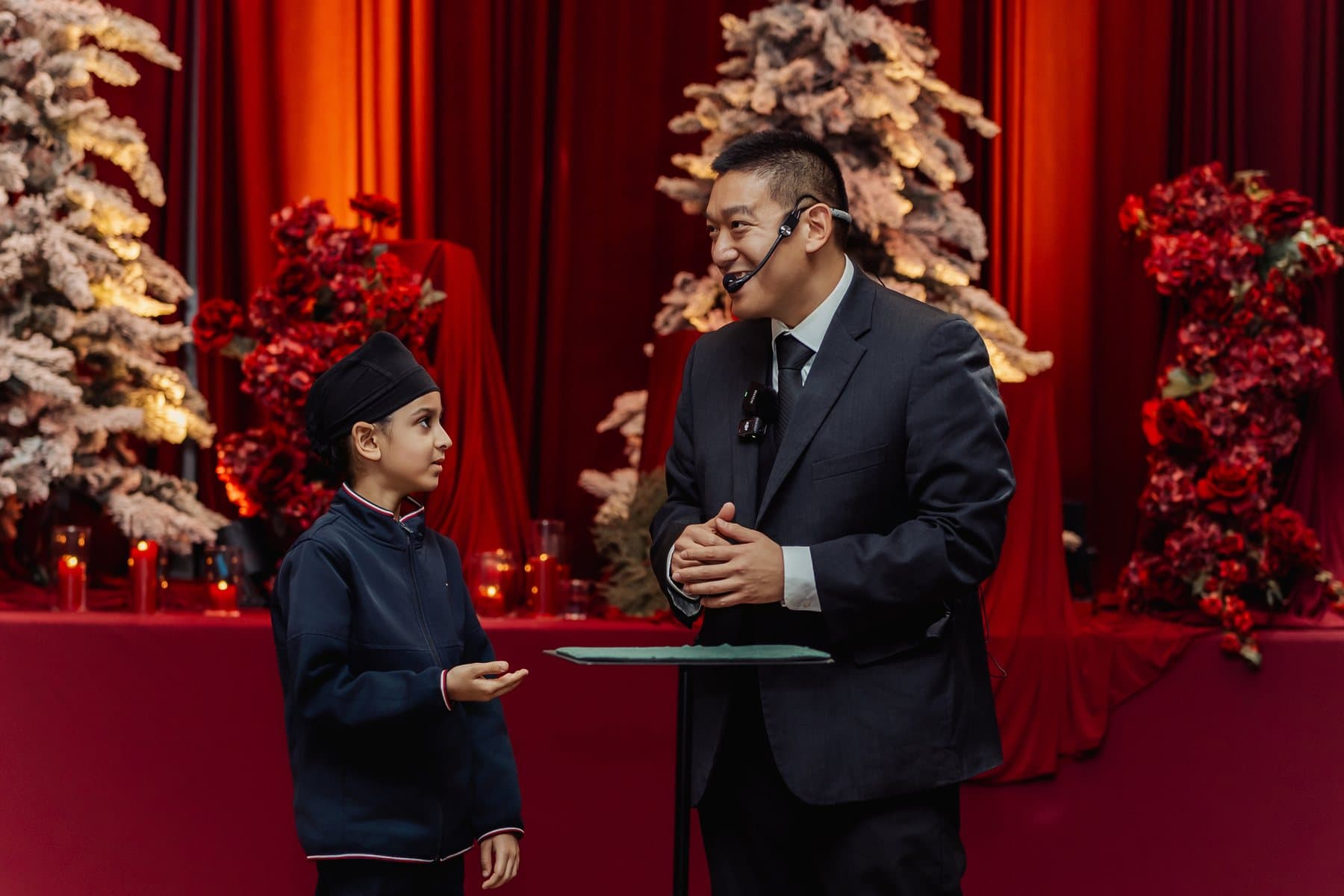
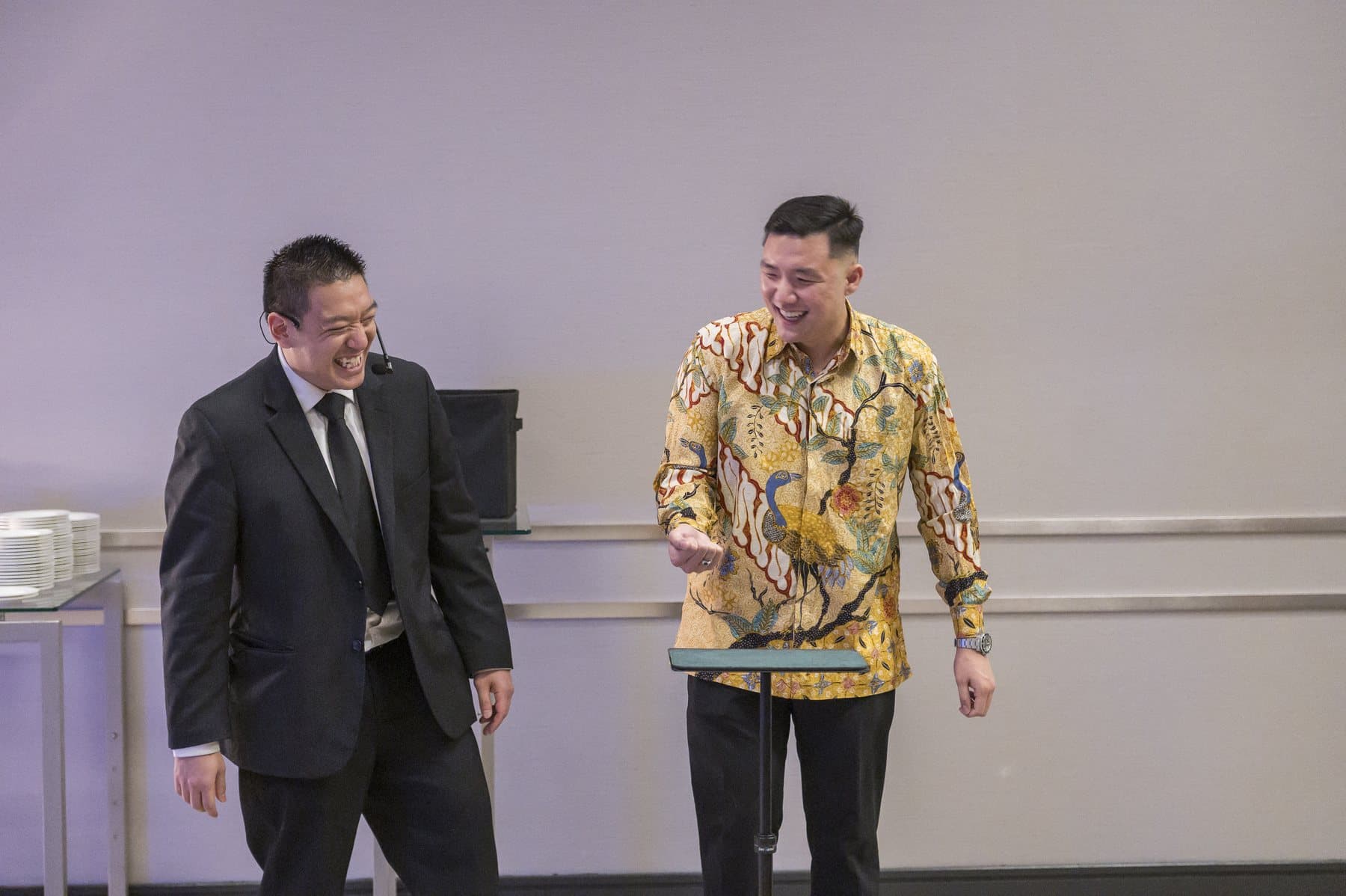
Once guests have listened to remarks, awards or a formal dinner program, the room often needs a lift. That is when a stand-up magic show can work beautifully. Everyone is already seated, attention is pointed in one direction and the show gives guests a shared moment before the night moves into dessert, dancing, networking or departure.
The show should be concise, clean and guest-centered. For corporate and mixed-audience events, volunteers should feel comfortable and included. A strong after-dinner show rewards the room for paying attention instead of making the program feel longer.
Late mingling: use magic only if it supports the finish
After the main program, guests may want to talk, take photos, dance or leave. Close-up magic can still work during late mingling if the host wants people to stay engaged, but it should not compete with a dance floor or a clear ending. At this point, entertainment should help the room finish well, not restart the whole event.
A simple timeline for Ontario hosts
- Guests arriving: close-up magic welcomes early arrivals and prevents awkward waiting.
- Cocktail hour or reception: close-up magic helps mixed groups connect naturally.
- Dinner gaps: table magic keeps energy warm between courses or before speeches.
- After speeches or awards: a stand-up magic show gives the full room one shared highlight.
- End-of-night mingling: use close-up magic only if it supports the final guest experience.
Planning questions before booking
- When do guests first need help connecting? Arrivals and cocktail time often need close-up magic most.
- When will the whole room already be focused? That is usually the best place for a stand-up magic show.
- Where might service or speeches run long? Build flexibility into the entertainment plan.
- What should guests remember? Choose timing that creates either small personal moments, one shared highlight or both.
Planning an event in Ottawa, Toronto, the GTA or elsewhere in Ontario?
Send John your date, city or venue, guest count and rough schedule. He can recommend where close-up magic, a stand-up magic show or a full-event entertainment arc will support the guest experience best.
Check Availability