Many events do not lose energy during the main program. They lose it in the in-between moments: when guests are arriving, waiting for photos to finish, moving rooms, lining up for dinner, sitting through a delay or wondering what happens after speeches.
For Ottawa, Toronto, the GTA and Ontario hosts, strong entertainment should make those transitions feel intentional. The right format keeps guests included, gives them something easy to react to and helps the host avoid awkward dead time without overloading the schedule.
Start by finding the quiet points in the schedule
Before choosing entertainment, look at the guest experience minute by minute. When will people arrive? Will they know each other? Is there a photo gap, cocktail hour, room flip, dinner wait, award sequence or break before dancing? Those are the places where entertainment can do the most useful work.
The goal is not to fill every second. It is to make the natural pauses feel hosted. Guests should feel like the evening is still moving even when the formal agenda is between items.
Use close-up magic when guests are moving or waiting
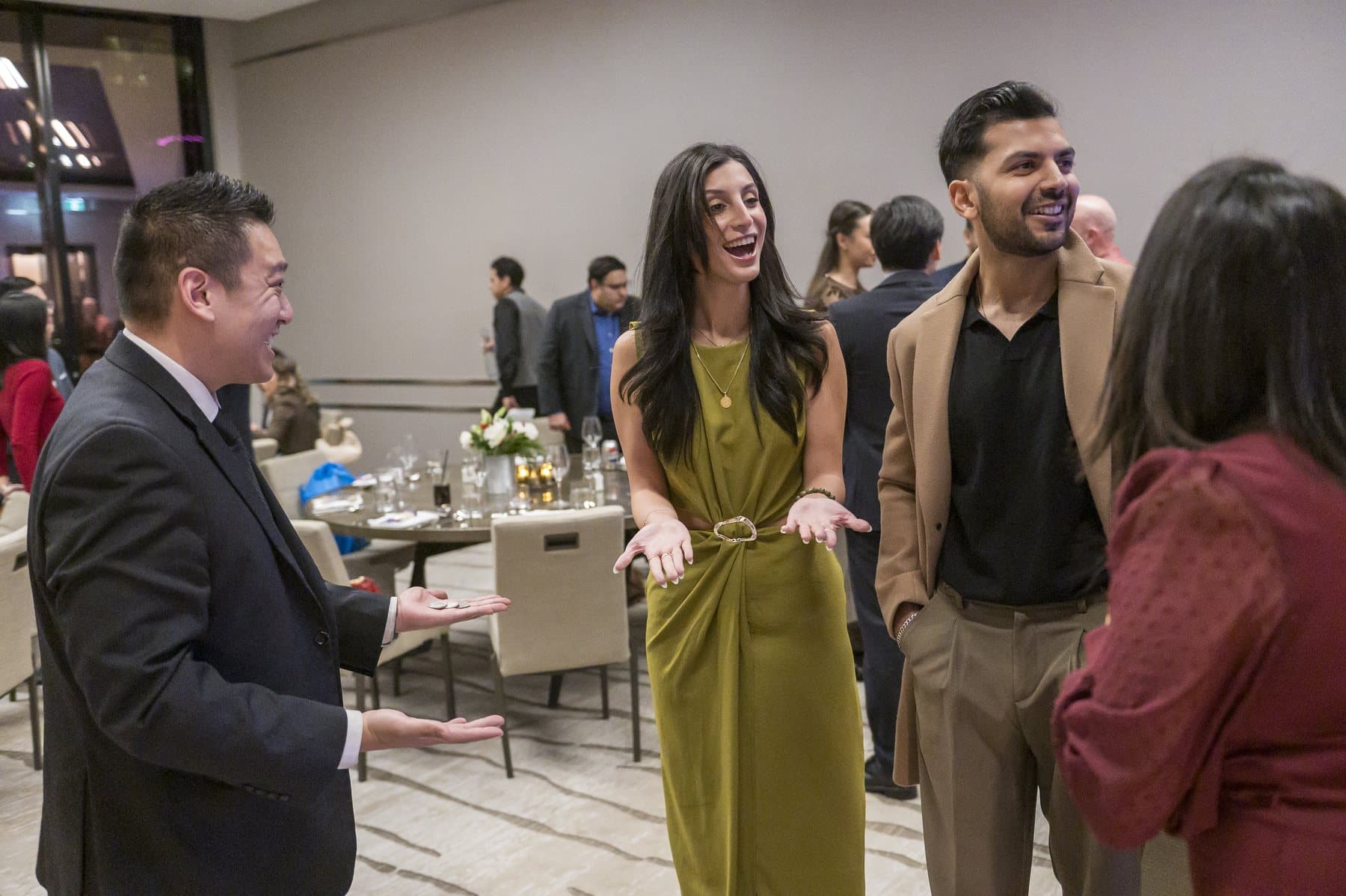
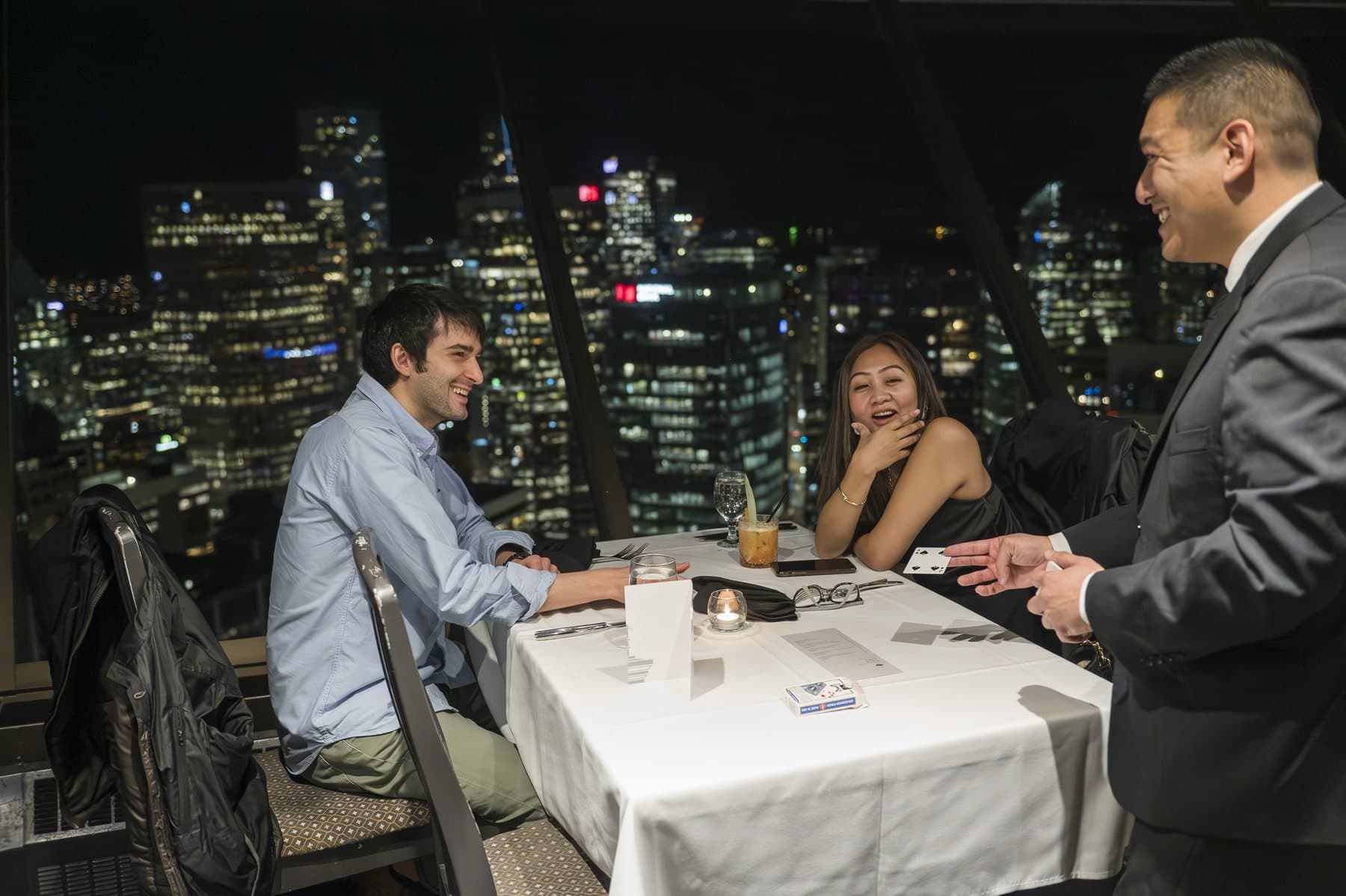
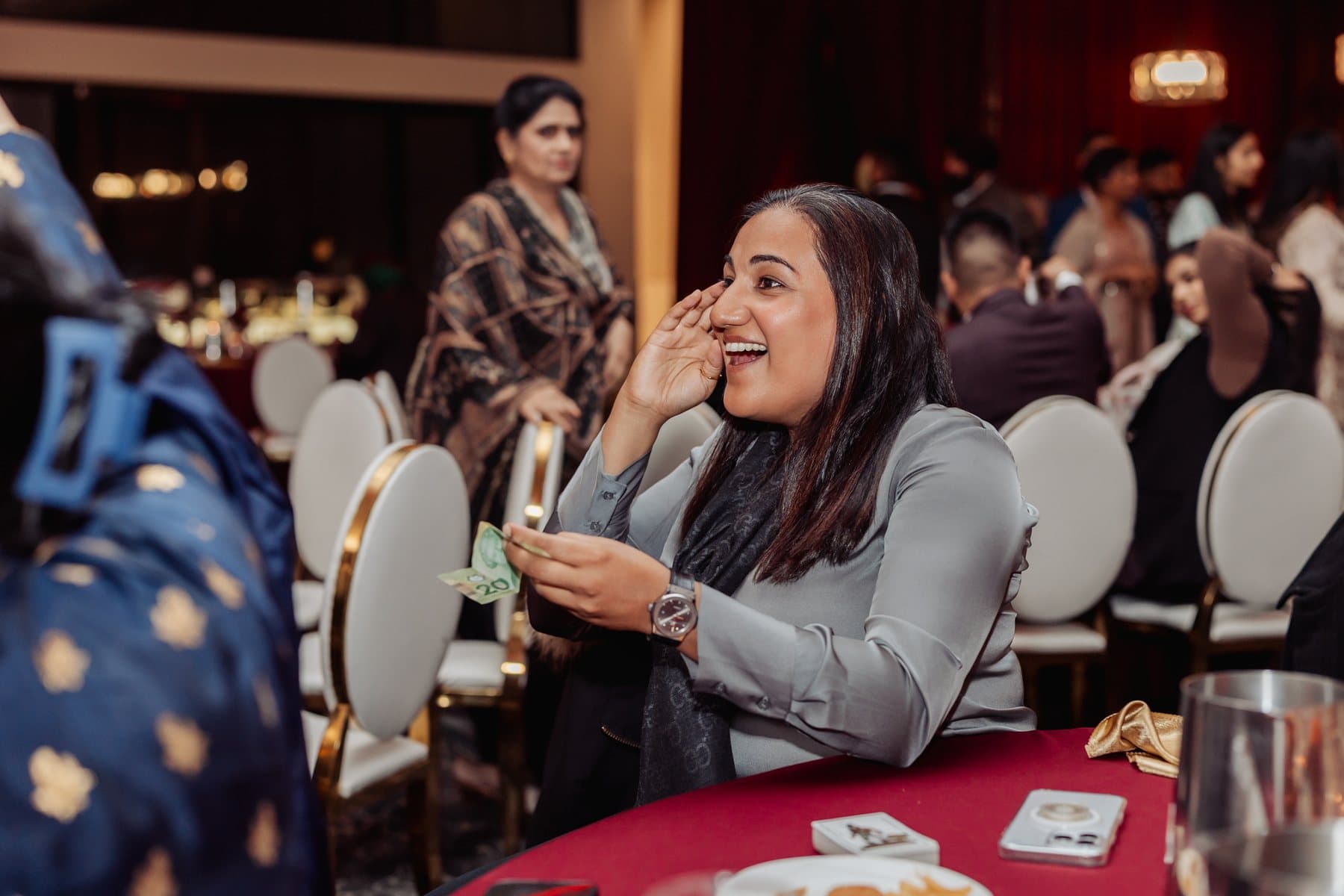
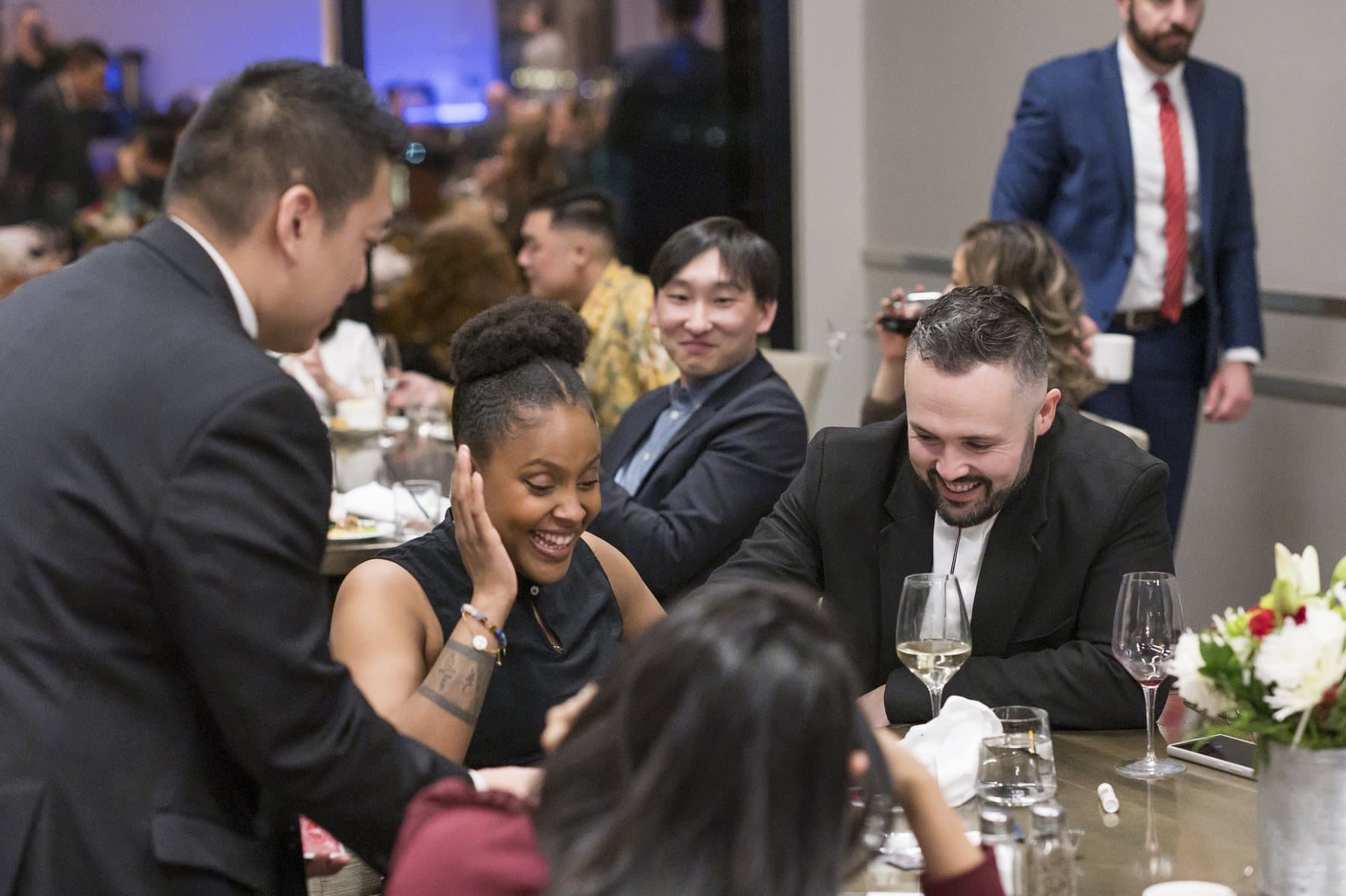
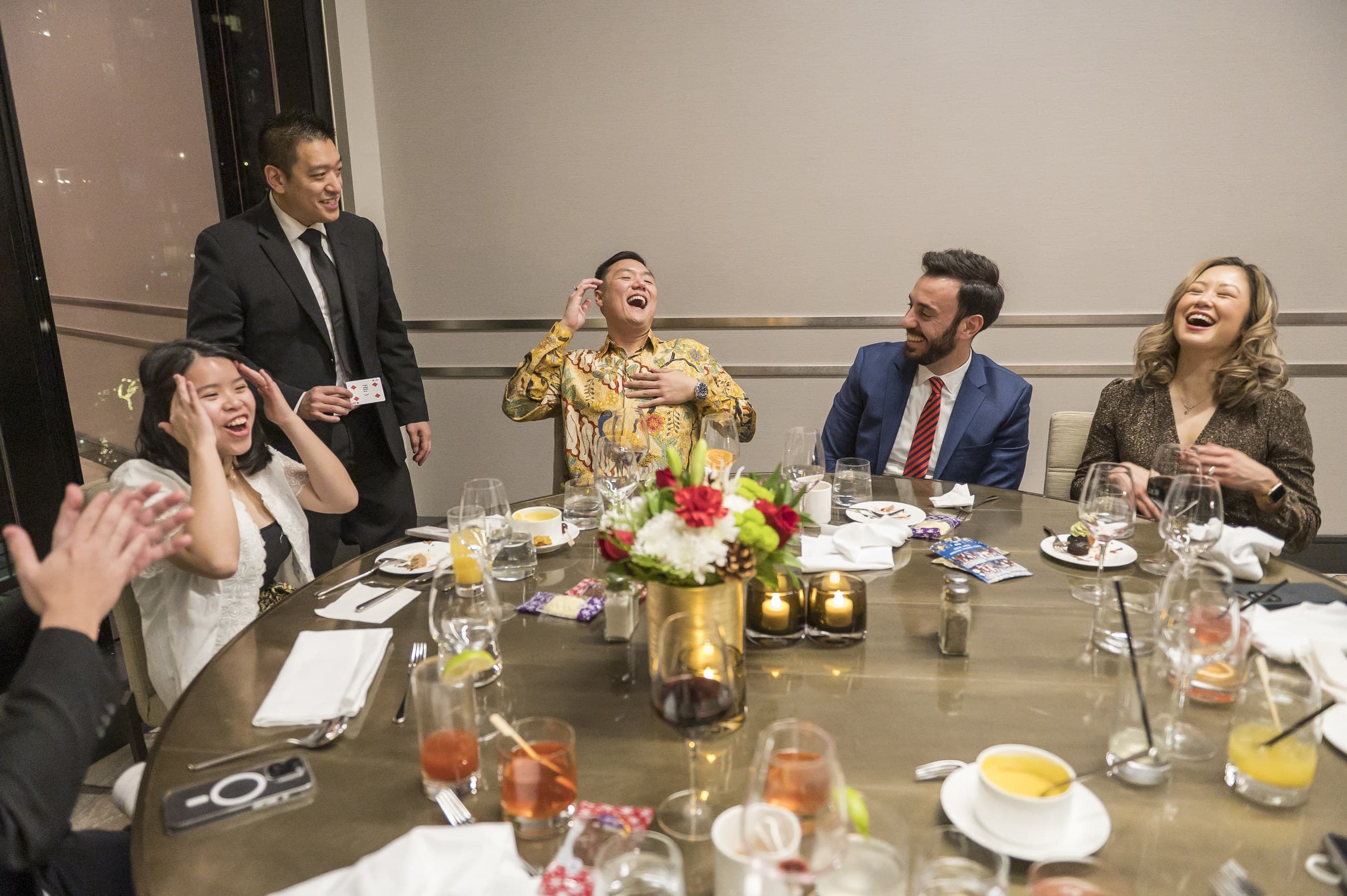
Close-up magic is usually the strongest fit for flexible transition time because it does not require everyone to stop at once. John can move through cocktail groups, dinner tables or reception areas creating short interactive moments where the magic happens inches away, often in guests’ own hands.
This works well during arrivals, cocktail receptions, networking breaks, photo gaps, buffet waits, table visits and room changes. Guests naturally gather, laugh, compare what they saw and start talking to people around them.
Use a stand-up magic show when the room is ready to focus
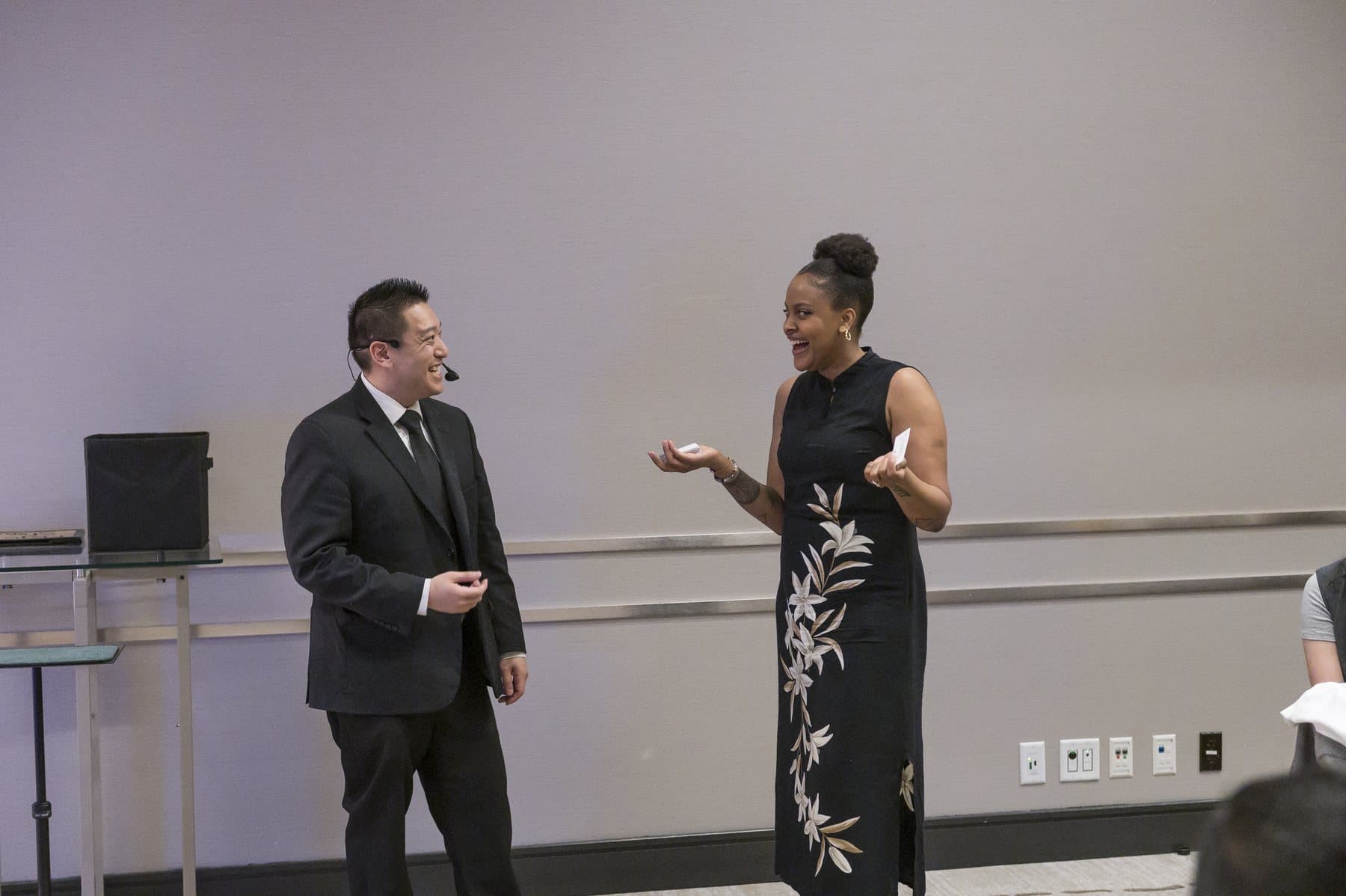
A stand-up magic show is better when the transition leads into one clear shared moment. After dinner, after speeches, after awards or before dancing can be a strong window because guests are already gathered and ready for something focused.
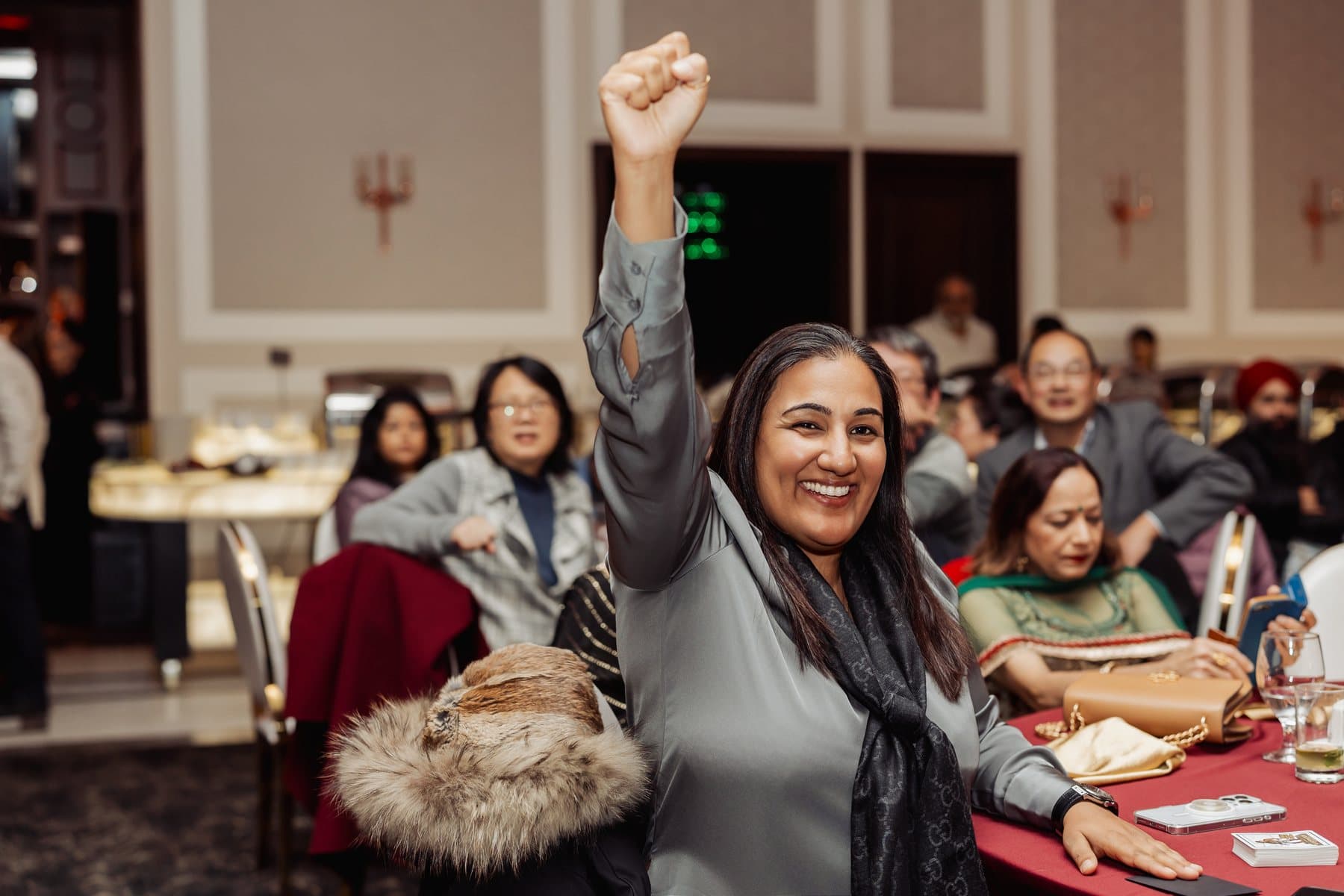
The show gives the event a memorable peak instead of letting the room drift after the formal program. It should feel like a natural lift in the evening, not a random interruption while guests are still trying to eat, mingle or find their seats.
Common transition moments where magic helps
- Guest arrivals: close-up magic gives early arrivals something welcoming before the room fills.
- Cocktail hour: small-group magic helps guests mix without forced icebreakers.
- Wedding photo gaps: guests stay entertained while the couple and family are away.
- Room flips: roaming magic can keep people engaged while staff reset a space.
- Dinner or buffet delays: table magic keeps energy warm while guests wait.
- After speeches or awards: a stand-up magic show can bring the room back up before the next part of the night.
Match the format to the way guests are behaving
If guests are standing, arriving in waves or moving between areas, close-up magic is usually the cleaner choice. It fits inside the event without creating another announcement, seating change or technical pause.
If guests are seated, fed and ready to watch together, a stand-up magic show can create one shared highlight. For larger Ontario events, both formats can work together: close-up magic warms up the room early, then the stand-up magic show gives everyone a stronger finish later.
Planning questions before booking
- Where does the schedule naturally slow down? Arrivals, photos, food service and post-speech pauses are common places to add energy.
- Will guests know each other? Mixed groups often benefit from close-up magic early because it gives people a reason to talk.
- Will guests be standing or seated? Movement points to close-up magic; a gathered room points to a stand-up magic show.
- Is there a moment that needs to feel like a highlight? If yes, build the show around that point instead of adding entertainment randomly.
- Does the room have sound and sightlines? A stand-up magic show needs focus; close-up magic can work in more flexible spaces.
Planning an event in Ottawa, Toronto, the GTA or elsewhere in Ontario?
Send John your date, city or venue, guest count and event flow. He can recommend whether close-up magic, a stand-up magic show or both will keep the transitions smooth and memorable.
Check Availability