A product launch is not only about revealing something new. It is about making the room feel interested, comfortable and ready to talk about what they experienced. The right entertainment can help guests settle in, connect with each other and remember the launch as a real event instead of another presentation.
For Toronto, Ottawa, the GTA and Ontario companies, the strongest launch entertainment usually supports three goals: keep the room warm before the reveal, create conversation after the presentation and give guests a positive reason to stay engaged once the formal content is finished.
Start with the event flow, not the entertainment slot
Before choosing entertainment, map the launch night from a guest’s point of view. Are people arriving from work and entering a networking room? Will they be moving between product demos? Is there a main presentation, a media moment, a client reception or a private dinner afterward?
That flow decides whether close-up magic, a stand-up magic show or both will fit naturally. The goal is not to pull attention away from the product. The goal is to make the human parts of the event feel easier, warmer and more memorable.
Use close-up magic during arrivals and demos
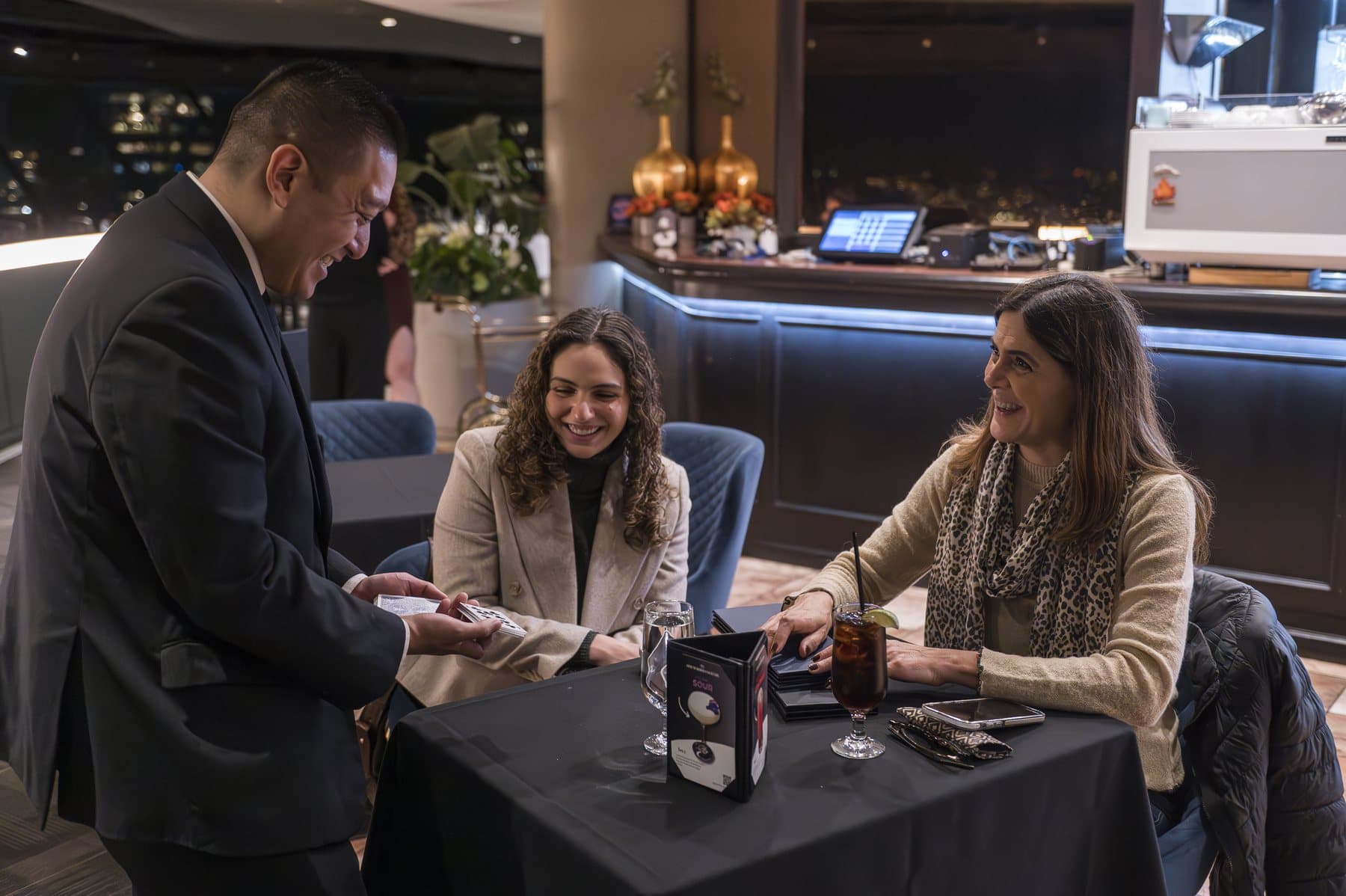
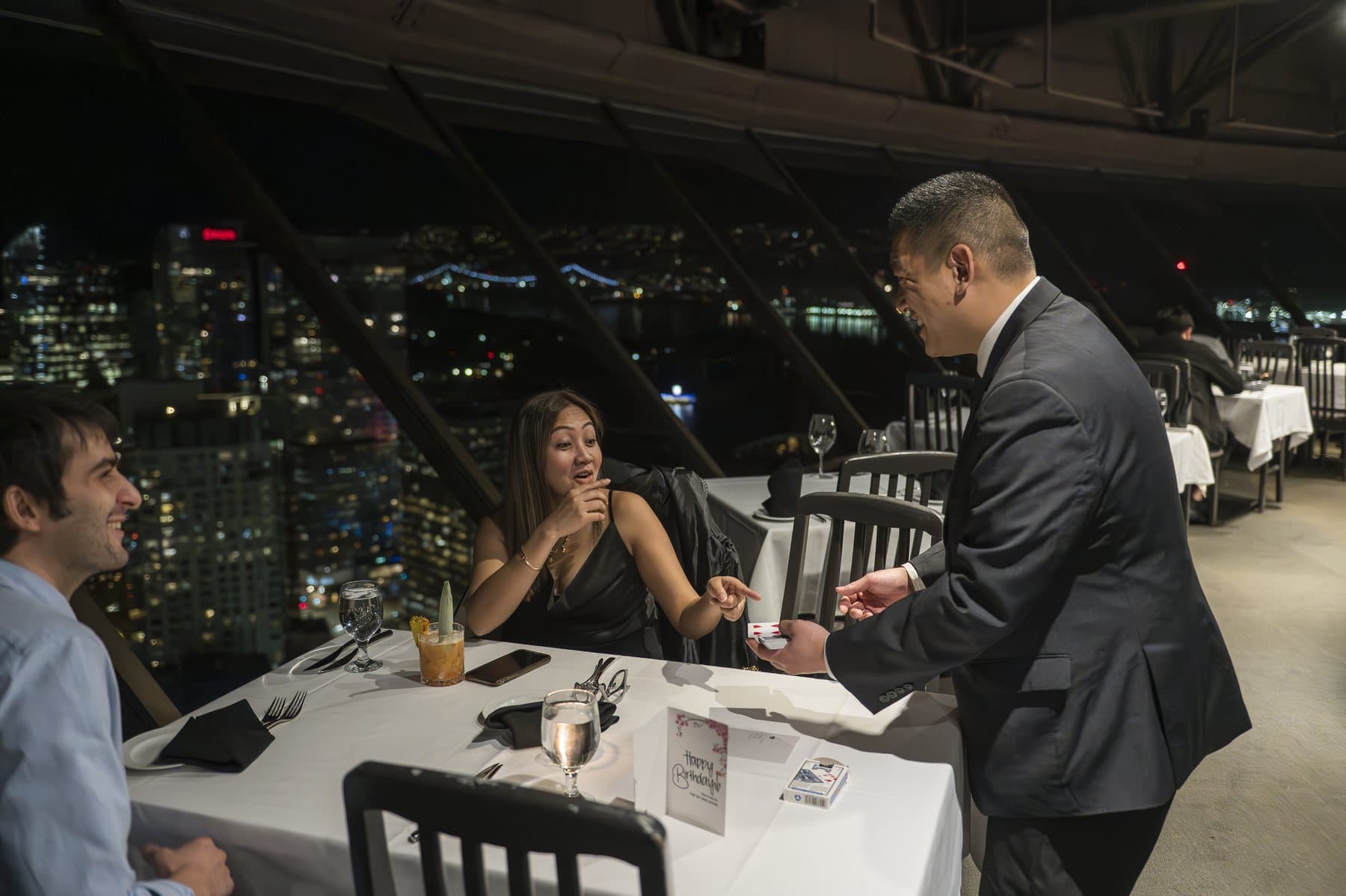
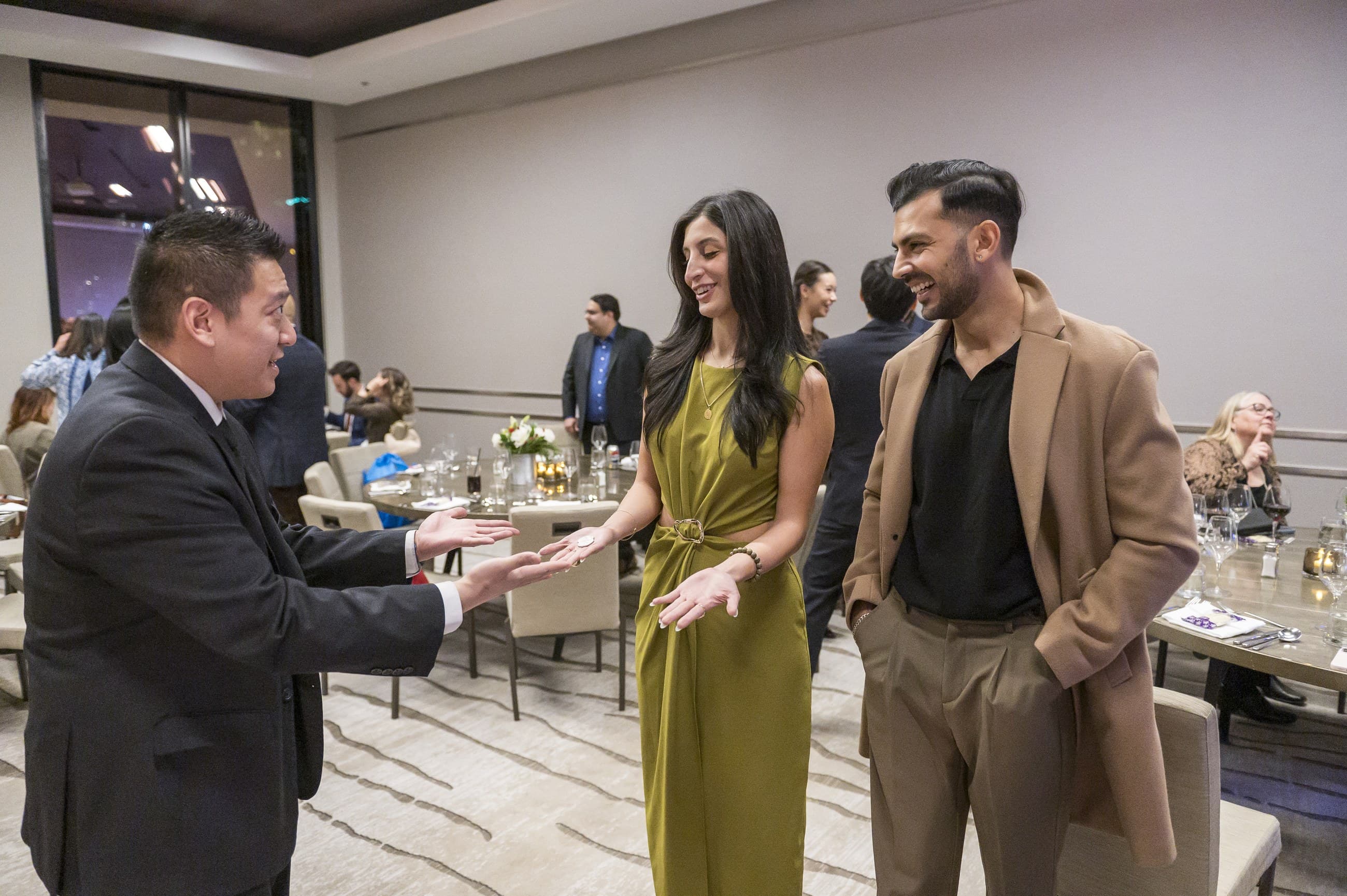
Close-up magic is often the best fit for product launches because it moves through the room without stopping the schedule. John can create moments with small groups during guest arrivals, cocktail time, demo browsing, sponsor conversations or the reception after the reveal.
This helps when guests do not all know each other. People gather, laugh, react and naturally start talking. For hosts, that means fewer quiet pockets and more energy around the room while the launch team still keeps the focus on the product.
Add a stand-up magic show after the presentation
If the launch includes a seated dinner, leadership remarks or a main reveal, a stand-up magic show can work well after the important messages are complete. At that point, guests are ready for one shared highlight that lifts the room and rewards them for being there.
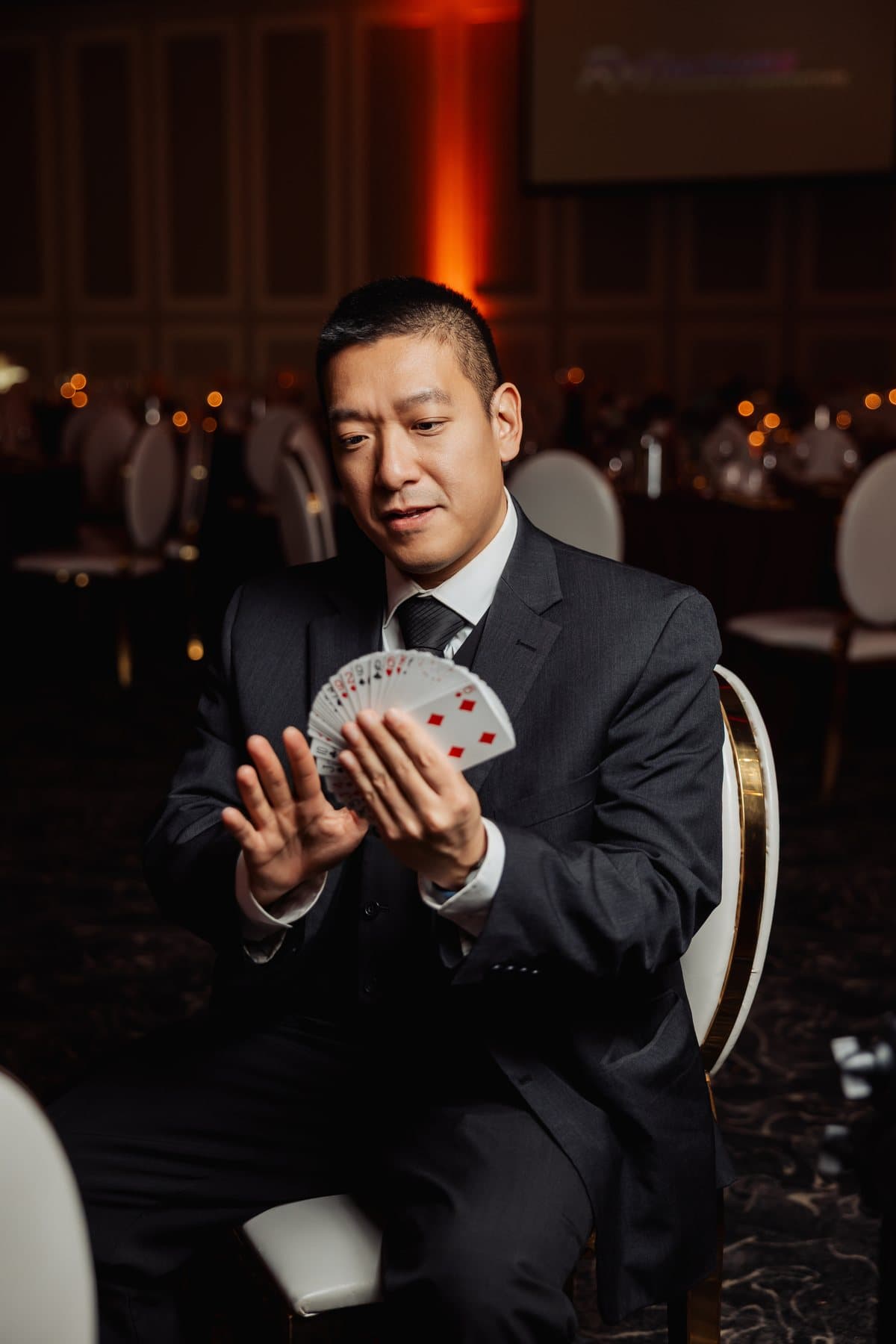
The show should feel interactive and business-appropriate. It can include magic and mind reading, but the purpose is still guest experience: strong reactions, shared laughter and a memorable ending that does not make the event feel stiff.
Where entertainment helps most at a launch
- Guest arrivals: close-up magic gives early arrivals something to enjoy before the room fills.
- Demo browsing: interactive moments keep energy moving between product stations or sponsor areas.
- Reception time: small-group magic gives clients, staff and partners an easy way to mingle.
- After remarks: a stand-up magic show gives everyone one shared finish before open networking or departures.
Make the host and brand look thoughtful
A launch can become too presentation-heavy if every moment asks guests to listen. Interactive entertainment gives people a different kind of memory: they were included, they reacted with the people around them and they had something easy to talk about afterward.
That matters for clients, media, partners, employees and invited guests. When the room feels alive, the company looks more prepared and the launch feels more worth attending.
Planning questions before booking
- Who is attending? Clients, media, employees, investors and partners may need different pacing.
- When is the reveal? Put entertainment around the main message, not over top of it.
- Will guests be standing, seated or moving? That decides whether close-up magic or a stand-up magic show fits best.
- What should guests talk about afterward? The best answer combines the product message with the feeling of a well-hosted night.
Planning a product launch in Ottawa, Toronto, the GTA or elsewhere in Ontario?
Send John your date, city, venue, guest count and launch flow. He can recommend whether close-up magic, a stand-up magic show or both will best support the room.
Check Availability